
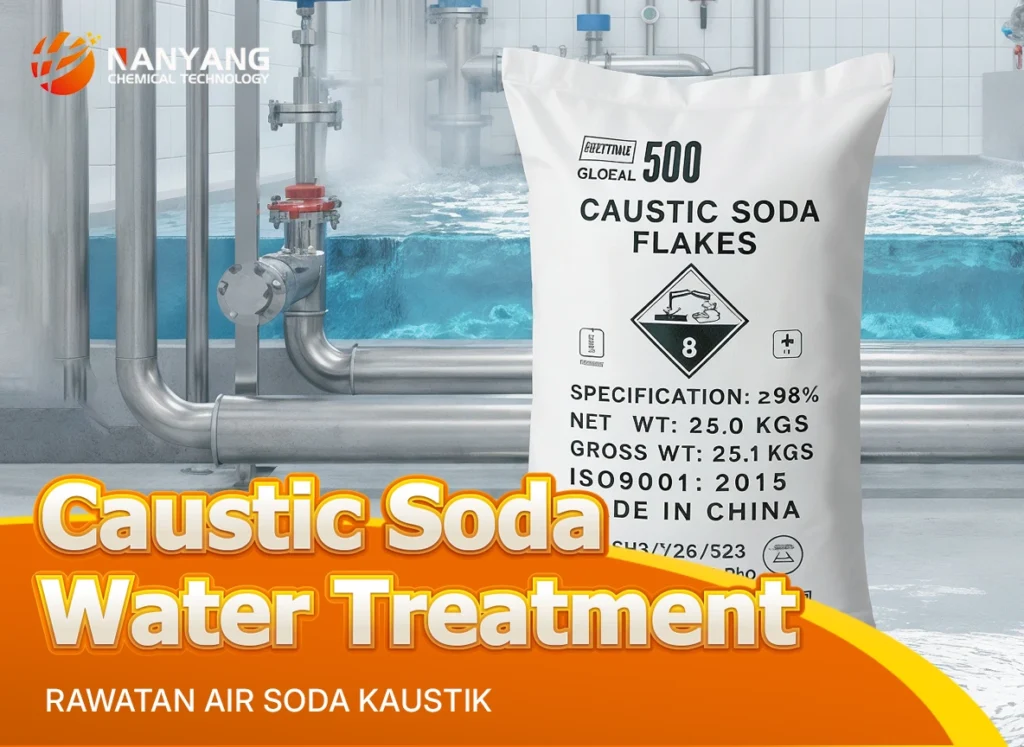
The trajectory of Malaysia’s industrial growth, marked by ambitious developments in key sectors like palm oil processing, chemical manufacturing, mining, and the burgeoning electronics industry, has brought with it an unavoidable environmental imperative. As manufacturing capabilities expand and output volumes soar across states like Selangor, Johor, and even in resource-rich East Malaysia, the corresponding volume and complexity of industrial effluent have also dramatically increased. This places immense pressure on companies to not only operate efficiently but, critically, to operate in full compliance with the nation’s stringent environmental regulations.
This compliance is not a negotiable option; it is a Malaysian mandate strictly enforced by the Department of Environment (DOE) under the Environmental Quality (Industrial Effluent) Regulations 2009. These regulations establish clear, non-negotiable standards for the quality of wastewater that industrial facilities are permitted to discharge into public waterways. Failure to meet these criteria—particularly for parameters such as pH level, the concentration of heavy metals, and chemical oxygen demand (COD)—can result in severe consequences, including hefty fines, mandated operational shutdowns, and long-term reputational damage that undermines investor confidence. For any Malaysian industrial plant manager or compliance officer, ensuring the predictable and reliable treatment of their Industrial Effluent Treatment System (IETS) output is a core daily responsibility.
This is precisely where the foundational chemical agent, caustic soda (chemically known as Sodium Hydroxide, NaOH), enters the equation as an indispensable tool. The need for effective caustic soda water treatment is driven by the fact that many industrial processes, especially those involving cleaning, etching, or chemical reactions, inherently produce highly acidic effluent. This low pH water is corrosive to infrastructure and extremely harmful to aquatic life. To bring this acidic effluent back into the DOE’s mandated discharge range (typically pH 6.0 to 9.0), a strong, consistent alkali is required for precise neutralization. NaOH excels in this role due to its high effectiveness and relative cost-efficiency.
Beyond simple pH correction, the utility of caustic soda water treatment extends into the critical process of heavy metal removal. Many regulated metals are soluble in acidic conditions. By introducing NaOH to raise the pH, these dissolved heavy metal ions (like lead, zinc, and chromium) are chemically transformed into insoluble hydroxide precipitates. These precipitates can then be easily removed from the wastewater stream through conventional settling and filtration processes, ensuring the facility meets the DOE’s extremely low discharge limits for these toxic substances.
The challenge, however, lies in consistency. The effectiveness of the entire IETS hinges on the purity and reliability of the caustic soda used. Inconsistent or low-grade NaOH can lead to erratic pH control, insufficient metal precipitation, and ultimately, non-compliant effluent batches.
This brings us to the Nanyang Edge. Nanyang Chemical steps in not merely as a supplier, but as a crucial local partner, providing certified-grade, high-purity caustic soda solutions. We ensure that every batch delivered across Malaysia guarantees the chemical consistency required for your IETS to perform reliably, batch after batch. By choosing a dedicated, locally attuned partner like Nanyang, Malaysian businesses can move beyond worrying about compliance risks and focus on maximizing operational uptime, knowing their caustic soda water treatment process is built on a foundation of guaranteed quality and technical expertise.
The Core Function : Caustic Soda’s Indispensable Roles
The application of caustic soda water treatment is fundamentally driven by its powerful chemical properties as a strong, highly soluble alkali. In the industrial setting, particularly within the demanding specifications of a compliant Industrial Effluent Treatment System (IETS), the primary roles of Sodium Hydroxide (NaOH) transition from simple chemical addition to crucial stages of environmental engineering, ensuring discharged water is safe, non-corrosive, and meets strict environmental limits. These roles are indispensable for continuous, compliant operation, particularly under the watchful eye of the Malaysian Department of Environment (DOE).
pH Correction and Acid Neutralization (The Primary Role)
This is, unequivocally, the most frequent and critical application of caustic soda water treatment. The vast majority of industrial processes—ranging from acid pickling in metal finishing, membrane cleaning in electronics manufacturing, and various wet-chemical operations in the oleochemical and rubber sectors—generate effluent with a low pH, meaning the water is acidic.
The challenge for the IETS is that acidic water cannot be legally or safely discharged. Under Malaysian regulations, industrial effluent must typically fall within a pH range of 6.0 to 9.0. Water with a pH lower than 6.0 is severely corrosive, posing a threat to pipelines, tanks, and sensitive treatment equipment within the plant itself. Furthermore, releasing acidic water into natural waterways can cause catastrophic ecological damage, devastating aquatic ecosystems and potentially mobilizing other harmful contaminants locked in sediment.
The solution lies in neutralization, achieved by introducing a strong base. NaOH dissociates completely in water, releasing hydroxide ions (OH-) that readily react with the excess hydrogen ions (H+) responsible for the acidity, following the simple, yet profound, neutralization reaction:
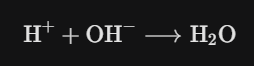
In practice, this process of caustic soda water treatment requires precise control. NaOH is often dosed as a 50% liquid solution NaOH Lye) using automated pumping systems regulated by continuous pH monitoring. Since NaOH is a strong base, even minor variations in dosing volume can cause significant, rapid shifts in pH. Inconsistent quality in the NaOH itself—such as fluctuating concentration or the presence of impurities—can directly undermine the precision of the automated dosing system, leading to periods of either insufficient neutralization (non-compliance) or over-dosing (waste and potential high pH violations). The reliability of a high-quality product is therefore paramount for predictable pH control.
Heavy Metal Precipitation and Removal
Beyond pH control, the second most critical function of caustic soda water treatment is its role in facilitating the removal of toxic heavy metals from wastewater. These metals, including lead (Pb), chromium (Cr), nickel (Ni), copper (Cu), and zinc (Zn), are common byproducts in industries such as electroplating, battery manufacturing, and electronics assembly—sectors that are prominent in the Malaysian economy. The DOE imposes extremely strict limits on the discharge concentrations of these metals, often requiring removal efficiencies of over 99%.
The issue is that in low pH (acidic) environments, most heavy metals exist in a dissolved, ionic state, meaning they are invisible and pass directly through simple filtration systems. The key to removal is to change the chemical environment to one where the metals are no longer soluble.
This is achieved by raising the pH level using NaOH. As the pH increases, the added hydroxide ions (OH-) react with the dissolved metal cations (Mn+) to form an insoluble metal hydroxide precipitate (M(OH)n):

Each metal has an optimum pH range at which its solubility is lowest. By utilizing caustic soda water treatment to bring the effluent to this precise, often slightly alkaline, pH point (e.g., pH 8.5–10.5 depending on the specific metal), the metal ions are chemically forced out of the solution phase and into the solid phase. Once precipitated, these solid particles can be effectively removed from the water stream using conventional solids separation techniques, such as sedimentation (clarification) and filtration (e.g., filter presses). This process is vital for industries to meet the stringent heavy metal discharge standards and protect downstream environments.
Conditioning and Regeneration of Treatment Systems
The utility of caustic soda water treatment extends to the maintenance and efficiency of other sophisticated treatment technologies:
- Regeneration of Ion Exchange Resins: In water demineralization systems, ion exchange resins are used to polish water quality by removing dissolved ions. The cation exchange resin becomes exhausted when it is saturated with metal or hardness ions. To restore its functionality, it must be regenerated with an acid. Conversely, the anion exchange resin, which removes anions like sulfate and chloride, must be regenerated using a strong base. High-purity NaOH is the standard chemical used for the regenerant solution for the anion resin, preparing it for its next cycle of contaminant removal.
- Alkalinity for Coagulation/Flocculation: The effective use of chemical coagulants (like aluminum sulfate, or alum, or ferric chloride) to clump together fine suspended solids is highly dependent on pH. Many coagulants consume alkalinity in the water. If the raw wastewater lacks sufficient natural alkalinity, NaOH may be strategically added to ensure the correct pH environment for the coagulant to form the necessary insoluble species (floc) and achieve optimal solids removal efficiency.
- Softening (Lime-Soda Process): In boiler feedwater applications, NaOH is sometimes used in conjunction with lime to remove hardness-causing ions (Ca2+ and Mg2+). While primarily used for industrial cooling and boiler water maintenance, this is a distinct application of NaOH where it chemically reacts with carbonates and bicarbonates to precipitate scale-forming minerals, thereby preventing costly boiler scale and extending equipment lifespan.
The necessity of using high-purity NaOH from a reliable supplier like Nanyang Chemical is amplified across all these roles. Inconsistent product quality translates directly into unstable pH levels, incomplete metal removal, compromised resin integrity, and excessive chemical consumption—all leading to higher operational costs and the high risk of environmental non-compliance, making high-quality caustic soda water treatment a core component of sustainable industrial practice in Malaysia.
The Quality Dilemma : Why Purity Matters in Malaysian Operations
While the chemical necessity for caustic soda water treatment is clear—serving as the backbone for pH correction and heavy metal removal—its practical effectiveness within the constrained, highly regulated industrial environment of Malaysia hinges entirely upon the purity and consistency of the product supplied. In a market where cost pressures can sometimes tempt procurement managers toward lower-grade alternatives, the hidden costs and severe risks associated with compromised purity far outweigh any perceived savings. For a Malaysian facility operating under the strict scrutiny of the DOE, quality is not a luxury; it is a fundamental pillar of operational stability and regulatory adherence.
The Direct Impact on Regulatory Compliance
The most immediate and critical consequence of using sub-standard caustic soda is the direct risk of regulatory non-compliance. The Environmental Quality (Industrial Effluent) Regulations 2009 specify narrow discharge limits that allow for little to no margin for error.
- Erratic pH Control: Impure NaOH often contains varying levels of non-reactive compounds or inconsistent water content, especially in bulk liquid lye solutions. This variability means that the actual effective NaOH concentration changes from batch to batch. Automated dosing pumps in the IETS rely on the assumption of a steady, known concentration. When the quality fluctuates, the system either under-doses (resulting in acidic, non-compliant effluent, risking fines and stop-work orders) or over-doses (causing the pH to spike above 9.0, also leading to a discharge violation). Precise, reliable caustic soda water treatment requires chemical consistency to ensure the pH remains within the tight pH 6.0 to 9.0 window required by the DOE.
- Incomplete Metal Precipitation: The chemistry underpinning heavy metal removal is sensitive, relying on achieving a very specific, optimized pH point to ensure maximum precipitation. If the caustic soda introduces contaminants that buffer the solution unexpectedly or if the effective hydroxide concentration is too low, the required pH may never be reliably achieved. This leaves heavy metal ions like copper, lead, and chromium dissolved in the water, violating the stringent parts-per-million limits set by the DOE. The cost of a non-compliance penalty, coupled with the mandatory remedial work, invariably eclipses any savings made on a cheaper chemical purchase.
Operational Integrity and Equipment Longevity
The hidden long-term costs of poor quality caustic soda water treatment manifest primarily through detrimental effects on the IETS equipment itself, leading to increased maintenance and reduced operational lifespan.
- Scaling and Fouling: Lower-grade NaOH often contains higher concentrations of insoluble impurities, such as trace levels of calcium, magnesium, iron, or other suspended solids. When these impurities are pumped into the water treatment system, they can lead to severe scaling within chemical transfer lines, dosing valves, and, critically, within the reactors, clarifiers, and filter units. Scaling reduces the hydraulic efficiency of the system, necessitates frequent and costly acidic cleaning procedures, and can eventually cause premature failure of high-precision dosing pumps, significantly disrupting the continuity of caustic soda water treatment.
- Pump and Valve Damage: The presence of abrasive, undissolved particulates in lower-purity liquid caustic soda acts as an abrasive slurry. Over time, this leads to excessive wear on the moving parts of metering pumps and control valves—equipment that is essential for accurate pH control. The replacement costs and downtime associated with repairing or replacing specialized chemical dosing equipment far outweigh the small premium paid for high-purity, filtered NaOH.
Interference with Downstream Processes
A holistic approach to caustic soda water treatment recognizes that the chemical’s quality impacts not just the pH tank, but subsequent stages of the IETS.
- Impact on Flocculation and Coagulation: Impurities, particularly silicates or trace organic matter found in some lower-purity grades, can interfere with the delicate process of flocculation. They can disrupt the formation of robust floc particles, leading to poor settling in the clarifier. The result is a high concentration of fine suspended solids carried over into the final discharge, once again leading to a violation of discharge limits, demonstrating how a fault in the initial caustic soda water treatment stage cascades throughout the entire system.
- Compromise of Ion Exchange Resins: For facilities utilizing advanced polishing steps, such as ion exchange, the purity of the regenerant solution is paramount. Using impure NaOH to regenerate anion resins can introduce substances that permanently foul or poison the resin beds. Fouled resins lose their capacity to remove target anions, necessitating expensive, premature replacement of the resin media—a significant capital expenditure that nullifies any initial procurement savings.
The Nanyang Chemical Quality Standard
Recognizing these severe risks faced by industrial operators in Malaysia, Nanyang Chemical positions itself as the solution to the Quality Dilemma. We understand that effective caustic soda water treatment is about assurance, not just volume.
- Guaranteed High Purity: We supply products—whether 50% Liquid Lye or >99% Caustic Soda Flakes—that adhere to rigorous international specifications, minimizing the presence of problematic impurities like iron and heavy metals that could interfere with IETS performance. Our quality control is governed by ISO 9001 standards, providing the consistent chemical activity necessary for automated dosing systems to function reliably.
- Logistical Integrity: Beyond chemical purity, Nanyang Chemical ensures that our local supply chain and specialized fleet maintain product integrity right up to the point of delivery. This guarantees that the consistent product manufactured at our facilities remains uncontaminated during transport and storage, a critical factor for facilities spanning the entire Malaysian peninsula.
- Technical Partnership: We offer consultation to help Malaysian clients transition to the appropriate grade and dosing regime, optimizing their caustic soda water treatment process to both meet DOE standards and achieve the lowest possible chemical consumption and maintenance overhead.
By prioritizing certified, high-purity NaOH, industrial facilities can transform the high-risk necessity of caustic soda water treatment into a predictable, compliant, and cost-efficient operational process. Choosing a reliable, quality-focused partner like Nanyang Chemical is the definitive defense against the escalating costs of regulatory non-compliance and catastrophic equipment failure.
Logistical & Technical Partnership in Malaysia
The successful implementation of caustic soda water treatment within the strict operational and regulatory landscape of Malaysia extends far beyond the chemical’s purity. For industrial facilities, especially those operating around the clock, the reliability, safety, and technical support accompanying the supply chain are just as critical as the chemical itself. A superior supplier must act as a seamless logistical and technical partner, mitigating risks associated with handling hazardous materials, ensuring uninterrupted supply, and providing local expertise to optimize chemical dosing for compliance and cost-efficiency.
The Challenge of Hazardous Material Logistics in Malaysia
Caustic soda, being a highly corrosive substance, is classified as a hazardous chemical. Its transport, handling, and storage are stringently regulated by several Malaysian bodies, including the Department of Environment (DOE), the Department of Occupational Safety and Health (DOSH) under the Occupational Safety and Health Act 1994 (OSHA), and the Classification, Labelling and Safety Data Sheet of Hazardous Chemicals (CLASS) Regulations 2013.
For any Malaysian plant manager, sourcing and storing NaOH presents three major logistical hurdles:
- Safety Compliance: Ensuring that the chemical is transported in compliant vehicles, handled by properly trained personnel, and offloaded according to strict safety protocols is non-negotiable. Non-compliance risks severe penalties, accidents, and exposure to toxic fumes or corrosive splashes.
- Supply Continuity: The effectiveness of caustic soda water treatment systems relies on continuous, uninterrupted dosing. Any delay or failure in the supply chain—a common risk in areas with complex logistics like East Malaysia or during seasonal transport disruptions—can lead to immediate IETS failure, acidic effluent discharge, and subsequent DOE fines.
- Storage and Compatibility: Facilities must manage appropriate storage solutions (e.g., dedicated polyethylene or fiberglass reinforced plastic tanks) and ensure personnel are trained to prevent accidental mixing with incompatible chemicals, particularly acids, which could lead to violent, hazardous exothermic reactions.
The Nanyang Chemical Logistical Advantage: Minimizing Downtime
Nanyang Chemical’s strategy is built around providing a robust, regionally optimized supply chain that directly addresses these Malaysian challenges, transforming the supply of caustic soda water treatment chemicals into a reliable operational asset:
- Integrated Local Fleet: We operate a specialized fleet of transport vehicles equipped for the safe carriage of corrosive materials. Our logistics network is optimized for timely delivery across key industrial corridors in Peninsular Malaysia (e.g., Port Klang, Gebeng) and crucial regional hubs in East Malaysia, drastically reducing lead times and ensuring plants maintain critical stock levels. This local presence is crucial for prompt, reliable supply, especially for the high-volume 50% Liquid Caustic Soda (Lye) solution used in large IETS operations.
- Flexible Format Provision: Recognizing that not all Malaysian plants operate at the same scale, Nanyang offers flexible delivery formats:
- Bulk 50% Liquid Lye: Delivered via tankers for large-scale, automated systems, ensuring minimal handling risk.
- Caustic Soda Flakes/Pearls (High Concentration 99%): Packaged in heavy-duty bags or drums for smaller facilities or those in remote areas where bulk liquid delivery is impractical. This format, while requiring preparation before use, offers logistical flexibility and easy storage.
- Secure Delivery Protocols: Our delivery personnel are extensively trained in hazardous material handling and adhere to rigorous safety protocols during offloading and transfer, providing an added layer of safety assurance for the recipient facility and ensuring compliance with local transport regulations.
Technical Partnership and Optimization of Caustic Soda Water Treatment
Beyond logistics, Nanyang Chemical distinguishes itself through technical support tailored to the specific demands of the Malaysian regulatory environment, helping clients optimize their caustic soda water treatment process for both compliance and cost savings.
- Dosing Optimization Consultation: Inaccurate dosing not only risks non-compliance but also leads to massive chemical waste. Our technical teams work with plant operators to fine-tune their automated dosing systems, factoring in the consistent concentration of our high-purity NaOH. This process minimizes the chemical footprint—using less NaOH to achieve the required pH—which directly lowers operational expenditure and waste management costs for the Malaysian facility. We assist in calculating the precise stoichiometric requirements for neutralization and precipitation based on the client’s specific effluent profile.
- Safety and Training Support: Compliance with OSHA 1994 and the CLASS Regulations requires comprehensive employee training. Nanyang offers technical guidance and mandatory Material Safety Data Sheets (MSDS) in compliance with Malaysian requirements, covering:
- Safe Handling Procedures: Proper dilution, transfer, and spill management.
- Storage Requirements: Correct ventilation, temperature control, and segregation from incompatible chemicals.
- Emergency Response: Protocols for immediate action in the event of a leak or exposure incident.This partnership approach helps clients proactively manage their risk and fulfill their legal obligation to ensure a safe working environment when handling corrosive materials for caustic soda water treatment.
- Troubleshooting and System Audits: When IETS issues arise—such as unexplained pH drift or poor metal removal efficiency—Nanyang’s technical experts can assist in auditing the caustic soda water treatment segment of the system. By ruling out chemical quality (due to our guaranteed purity), we can help identify issues related to sensor calibration, pump failure, or flow rate imbalances, leading to faster resolution and minimal compliance risk exposure.
In summary, the choice of a partner for caustic soda water treatment in Malaysia is a strategic decision. By leveraging Nanyang Chemical’s guaranteed product quality alongside our dedicated local logistics and compliance-focused technical support, Malaysian industries gain an operational edge—securing uninterrupted chemical supply, drastically reducing safety and compliance risks, and ensuring that their IETS functions with maximum efficiency and regulatory adherence.
Conclusion
The consistent, compliant operation of an Industrial Effluent Treatment System (IETS) is a fundamental, non-negotiable requirement for all industrial entities in Malaysia. At the heart of this compliance lies effective caustic soda water treatment. The success of neutralization, the critical removal of heavy metals, and the operational integrity of downstream processes—all rely heavily on the powerful chemical action of Sodium Hydroxide (NaOH). However, as this analysis has shown, the true measure of success is not merely using caustic soda, but ensuring the chemical is of certified high purity and is supported by a robust, compliant supply chain.
The risks of compromising on quality—from incurring heavy fines from the DOE due to non-compliant pH or heavy metal discharges, to suffering expensive equipment damage due to impurities—far outweigh any marginal cost savings on low-grade chemicals. For Malaysian industries, where continuous operation and adherence to the Environmental Quality (Industrial Effluent) Regulations 2009 are paramount, the chemical partner must provide absolute reliability.
Nanyang Chemical is committed to being that reliable partner. We provide the highest-grade NaOH products, backed by ISO-certified quality assurance, ensuring the predictable chemical activity essential for accurate and efficient caustic soda water treatment. Furthermore, our deep understanding of Malaysian logistics and safety regulations allows us to deliver this critical chemical safely, reliably, and on time, anywhere in the country. We pair this logistical excellence with expert technical consultation, helping your facility optimize dosing, enhance safety protocols, and maintain peak IETS performance.
Don’t risk regulatory failure or costly operational downtime. Partner with Nanyang Chemical—the trusted, local solution that transforms the necessity of caustic soda water treatment into a strategic advantage, guaranteeing the chemical purity and consistent support your Malaysian plant needs for predictable, sustained environmental compliance. Contact us today to secure a partnership built on quality and assurance.